

 GPS & GNSS
 Lidar scanning
 Total Station

External radio
External radio
External radio
External radio
External Radios for RTK GNSS Surveying
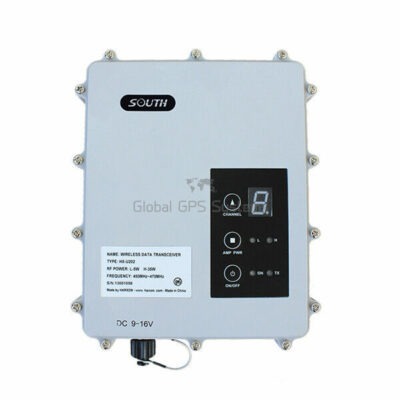
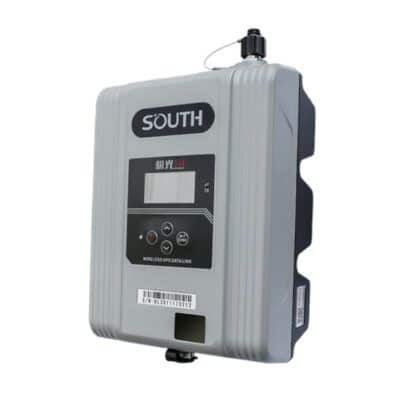
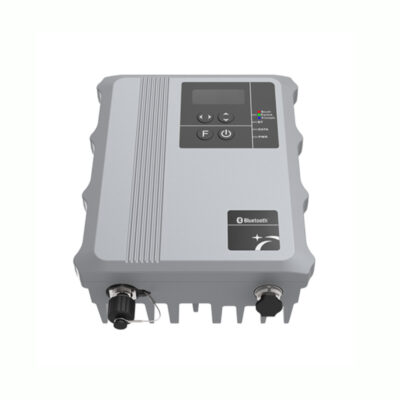
An external radio is used to transmit RTK correction data from a GNSS base receiver to one or more rover receivers. Instead of relying on an internet connection or correction network, the base station sends correction information directly over a radio link. This makes external UHF radios especially useful on construction sites, rural projects, infrastructure corridors and other locations where mobile coverage is limited or where surveyors want to operate their own local RTK base.
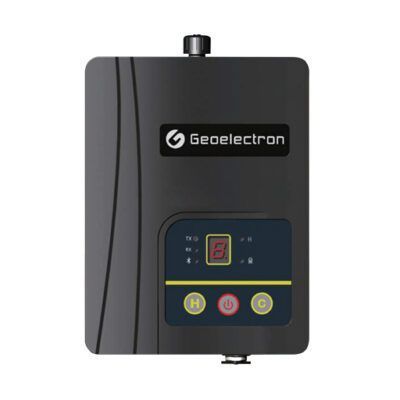
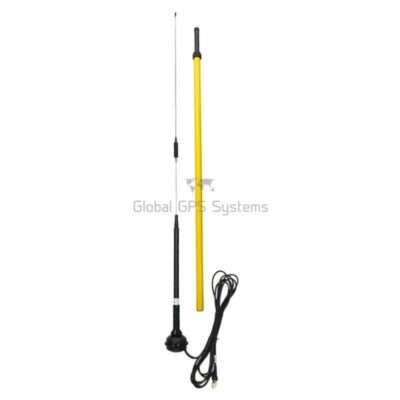
Global GPS Systems offers external radio equipment for professional surveying applications, including dedicated radio modems and high-gain antennas. Available products include solutions from brands such as EFIX, Geoelectron and South, allowing users to select a radio system that suits their GNSS equipment and field workflow.
Why Use an External Radio with RTK GNSS?
A GNSS base station calculates correction information from its known position. An external radio transmits these corrections to the rover, allowing the rover to calculate a high-precision RTK position in real time. This approach gives the survey team control over its own correction source and does not depend on access to an NTRIP service or mobile data connection.
External radios are particularly practical when a project covers a relatively local area around the base station. Depending on the equipment, antenna, radio settings and site conditions, the radio link can provide reliable communications across substantial working distances.
Common Applications
External GNSS radios can be used across many professional positioning applications:
- RTK GNSS base and rover surveying
- Construction site layout and machine positioning
- Topographic and engineering surveys
- Road, railway and infrastructure projects
- Land surveying in areas with limited mobile coverage
- Agricultural and machine-control positioning
- Long-duration GNSS base station setups
410–470 MHz UHF Radios
Many professional GNSS radio systems operate within the 410–470 MHz UHF range. These frequencies are widely used for transmitting correction data between surveying instruments. The exact frequency and permitted transmitting power must match both the receiving GNSS equipment and the regulations that apply in the country where the radio will be used.
Compatibility is therefore more important than simply choosing the radio with the highest transmission power. The base radio and rover must support compatible frequencies, protocols, channel settings and data formats to communicate correctly.
Transmission Power and Working Range
External radios are often chosen when greater radio performance is required than a GNSS receiver's internal modem can provide. A higher-power external transmitter can improve the available correction link in suitable conditions, but transmitting power alone does not determine working range.
Terrain, buildings, vegetation, antenna height, electromagnetic interference and the receiving equipment all affect radio performance. A clear line of sight between antennas usually provides better results than working behind hills, buildings or dense vegetation. For that reason, placing the base station and radio antenna carefully can be just as important as selecting the radio itself.
High-Gain Radio Antennas
The antenna plays an important role in an RTK radio setup. A suitable high-gain radio antenna can improve transmission and reception efficiency when correctly matched to the operating frequency. Positioning the antenna higher above the surrounding terrain can also help reduce obstructions between the base and rover.
When selecting an antenna, check its supported frequency band, connector type and compatibility with the radio modem. Using an unsuitable antenna can reduce radio performance even when the transmitter itself is correctly configured.
External Radio or Internal GNSS Radio?
Many modern RTK GNSS receivers include an internal UHF modem. For standard surveying jobs over moderate distances, this can provide a convenient all-in-one setup. An external radio becomes useful when the project requires a dedicated base transmitter, greater flexibility in antenna placement or a radio configuration that is better suited to the working environment.
An external system can also allow the GNSS receiver and transmitting antenna to be positioned independently. This can be practical when the base receiver needs to remain securely mounted while the radio antenna is placed at a higher position for improved communication.
External Radio or Network RTK?
Both radio RTK and network RTK can provide real-time corrections, but they suit different workflows. Network RTK normally requires mobile internet access and a compatible correction service. It can be very convenient because no local base station needs to be installed.
A base-and-radio setup is independent of mobile coverage and gives the user control over the local reference station. This can make it attractive for remote projects, construction sites or repeated work within the same project area. Some surveying teams use both methods and select the correction source that is most practical for each job.
How to Choose the Right External Radio
Start by checking the radio capabilities of your GNSS base and rover. The frequency band, communication protocol and channel configuration must be compatible. If your equipment uses the common 410–470 MHz UHF range, select a radio and antenna designed for that range.
Next, consider the expected working environment. Open terrain generally provides more favourable radio conditions than dense urban areas, forests or sites with significant elevation changes. Projects where the base and rover are separated by obstacles may benefit from careful antenna placement or a higher-gain antenna.
Power supply is another practical consideration. External radio transmitters may be used for long working days, so check the required operating voltage, power connection and suitable field battery arrangement. For permanent or semi-permanent installations, also consider protection of the radio, cables and connectors from weather and accidental damage.
Finally, check the regulations for radio transmission in the country where the equipment will be used. Permitted frequencies and transmitting powers can vary between regions, and a technically compatible radio is not automatically authorised for every location.
External Radios from Global GPS Systems
Global GPS Systems supplies external radios, UHF radio modems, antennas and related equipment for professional GNSS surveying. When selecting a system, our team can help you consider GNSS compatibility, operating frequency, communication requirements, antenna configuration and the intended working environment. Looking at the complete base-and-rover setup helps ensure that the radio fits the practical requirements of your surveying or construction workflow.
External Radio FAQ
External Radio Basics
What is an external radio for RTK GNSS?
An external radio is a separate modem used to transmit RTK correction data from a GNSS base station to a rover. It allows a surveyor to operate a local RTK correction link without depending on a mobile internet connection.
Why would I use an external radio instead of the radio inside my GNSS receiver?
An external radio can provide more flexibility in transmission power, antenna placement and base station configuration. It is particularly useful when the internal radio does not provide the required communication performance for a project.
Can I use an external radio without an internet connection?
Yes. A base-to-rover UHF radio link operates independently of mobile internet. The GNSS base generates correction data and the external radio transmits it directly to the rover.
Frequency and Compatibility
What does 410–470 MHz mean on a GNSS radio?
410–470 MHz describes the UHF frequency range supported by many professional surveying radios. The exact operating channel must be supported by both the transmitting radio and receiving GNSS equipment and must comply with local radio regulations.
Will any external radio work with any RTK GNSS receiver?
No. The radios must support compatible frequency ranges, communication protocols, channel settings and data formats. Always check compatibility between the base transmitter and rover before selecting a radio.
Can I use a 410–470 MHz radio in every country?
Not necessarily. Radio-frequency allocations and permitted transmission powers vary between countries and regions. Check the applicable local regulations before operating an external UHF transmitter.
Range and Antennas
How far can an external GNSS radio transmit RTK corrections?
Working range depends on the radio, transmitting power, antennas, terrain, antenna height, interference and obstacles between the base and rover. Open line-of-sight conditions generally provide better communication than built-up or heavily obstructed areas.
Does a high-gain antenna improve radio range?
A correctly matched high-gain antenna can improve the efficiency of the radio link. Antenna position is also important, and placing the base antenna higher can help reduce obstructions between the transmitter and rover.
Why does my RTK radio lose connection behind buildings or hills?
UHF radio signals can be weakened or blocked by terrain, buildings, vegetation and other obstacles. Improving antenna height, changing the base location or reducing obstructions can help create a more reliable link.
Choosing an External Radio
How do I choose the right external radio for my GNSS system?
Check the supported frequency band, radio protocol, required transmission range, antenna connection, power supply and compatibility with your base and rover receivers. The working environment and local radio regulations should also be considered.
Should I use an external radio or NTRIP corrections?
NTRIP is convenient when reliable mobile internet and an appropriate correction service are available. An external radio is useful when you want to operate your own local GNSS base or work in areas where mobile data coverage is unreliable or unavailable.
Can Global GPS Systems help me select a compatible radio?
Yes. Global GPS Systems can help you compare external radio options based on your GNSS equipment, frequency requirements, expected working conditions, antenna setup and base-to-rover workflow.
 GPS & GNSS
 Total Stations
 Data collectors
 Software
 Correction services
 Machine control
 External radio
 Marine
 Accessories