


 GPS & GNSS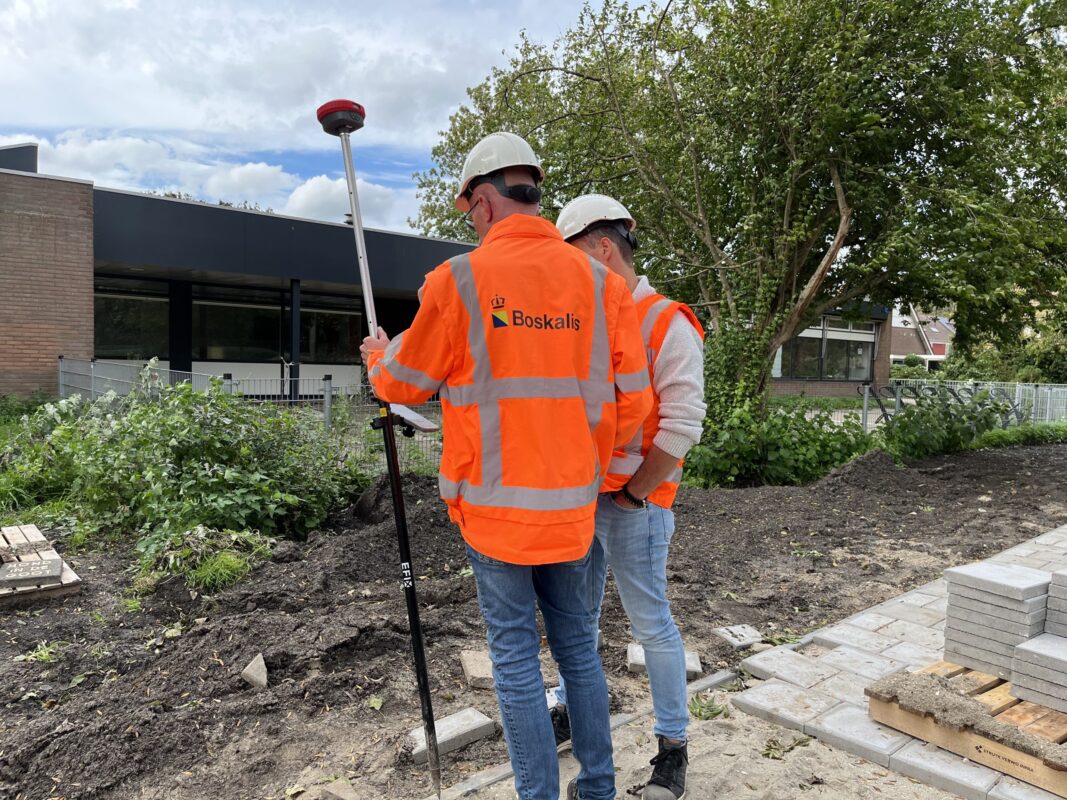
 Lidar scanning
 Total Station
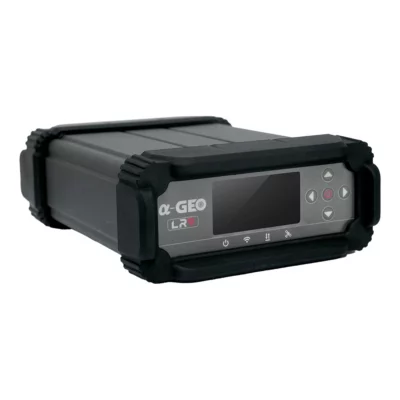
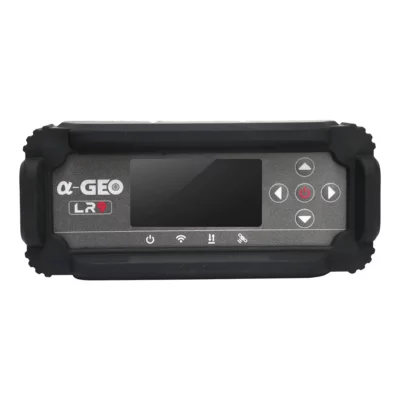


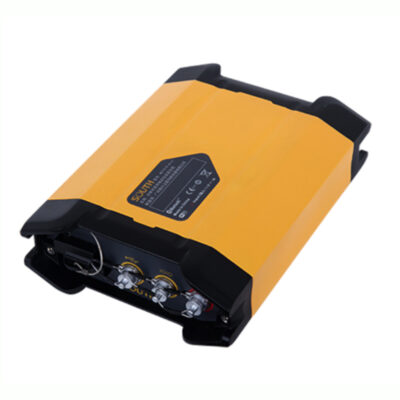
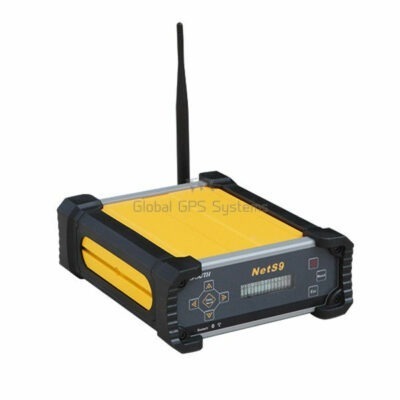
GNSS Receivers with External Antennas
A GNSS receiver with an external antenna is designed for applications where the receiver and antenna need to be installed separately. The receiver can be protected inside a vehicle, machine cabinet or system enclosure, while the antenna is mounted in a location with a clear view of the sky. This makes these receivers suitable for permanent and semi-permanent installations on agricultural machinery, construction equipment, survey platforms and other systems that require dependable positioning.
Unlike a conventional all-in-one surveying receiver, an embedded GNSS receiver is often used as part of a larger system. It can supply position, time, velocity and, with suitable hardware, heading data to machine-control software, guidance displays, data loggers or custom applications. Depending on the model and correction source, RTK-capable receivers can provide centimetre-level positioning for work where standard standalone GNSS accuracy is not sufficient.
Common Applications
External-antenna GNSS receivers are widely used in agriculture and construction because the components can be installed around the practical requirements of the machine. On tractors and agricultural implements, accurate positioning can support guidance, controlled traffic, row operations, field mapping and repeatable passes. On excavators, bulldozers, graders and other construction machinery, GNSS data can support machine guidance, site preparation and positioning relative to a digital design.
These receivers can also be incorporated into surveying and GIS systems. A receiver may be connected to an antenna mounted on a survey pole, vehicle or fixed structure and then paired with a controller or data-collection system. Other applications include asset mapping, mobile mapping, autonomous machinery, marine positioning, reference monitoring and specialist engineering projects.
Single-Antenna and Dual-Antenna GNSS Receivers
A single-antenna GNSS receiver calculates the position of the antenna. This is sufficient for many surveying, mapping, agricultural guidance and machine-positioning applications. Direction of travel may be estimated while the machine is moving, but heading can become less reliable at very low speed or while stationary.
A dual-antenna GNSS receiver uses two antennas installed at a known distance from each other. By comparing their positions, the system can determine heading even when the machine is stationary or moving slowly. This is useful for machines that frequently stop, reverse or change direction, as well as applications where the orientation of a platform, attachment or vehicle must be known continuously.
Important Features to Compare
The most suitable receiver depends on how it will be installed, what information the system requires and how correction data will be delivered. Important points to consider include:
- GNSS constellation and frequency support: Multi-constellation, multi-frequency tracking can improve satellite availability and positioning reliability around buildings, vegetation and machinery.
- RTK correction compatibility: Confirm whether the receiver can receive corrections through NTRIP, a radio link, serial communication or another connection used by your system.
- Single or dual antenna: Select a dual-antenna model when true heading is required at low speed or while stationary.
- Data outputs: Check support for the formats required by your software or machine, such as NMEA messages, raw observations or manufacturer-specific protocols.
- Communication interfaces: Depending on the integration, you may need Ethernet, serial ports, CAN, Bluetooth, Wi-Fi, mobile data or USB connectivity.
- Update rate and latency: Faster position updates and low latency are important for moving machinery, guidance systems and dynamic measurements.
- Environmental protection: Consider vibration, moisture, dust, temperature range and the protection level required for the receiver, antennas and connectors.
- Power requirements: Verify that the input voltage and power consumption are suitable for the machine or installation.
Choosing the Right External GNSS Antenna
The antenna has a direct influence on the quality of the received satellite signals. It should support the frequencies and constellations used by the receiver and should be mounted on a stable surface with the clearest possible view of the sky. Nearby metal structures, cabins, exhaust systems, electrical equipment and other antennas can affect signal reception or create multipath reflections.
For dual-antenna heading, the distance and alignment between the two antennas are especially important. A longer, accurately measured baseline can improve heading performance, but the installation must match the receiver configuration. Both antennas should be securely mounted so their relative positions do not change during operation.
Correction Data and RTK Positioning
Centimetre-level positioning normally requires RTK correction data. This can come from a local base station, a permanent reference-station network or an internet-based NTRIP service. Before selecting a receiver, consider whether the machine will have a stable mobile-data connection, needs an external radio or must operate independently in remote areas.
The receiver should also be compatible with the correction format and communication method used in the intended region. Fix time, correction age and satellite visibility can all affect field performance. A well-installed antenna and dependable correction link are just as important as the receiver specification itself.
Integration with Machinery and Custom Systems
For machinery integration, determine which information must be exchanged between the GNSS receiver and the rest of the system. A basic installation may only require position messages, while advanced machine guidance may also need heading, speed, correction status and quality indicators. Custom integrations may require access to configurable output messages, software tools or a development kit.
Also check the available mounting space, connector types, cable lengths and routing options. Antenna cables should be protected from sharp bends, crushing, heat and electrical interference. Good installation planning helps maintain reliable performance and makes servicing easier.
Related Equipment
A complete GNSS installation may require one or two compatible antennas, antenna cables, power and data cables, mounting hardware, a data controller, machine-guidance software and access to an RTK correction source. Some installations also use an external radio, modem or reference receiver. Portable surveying work may instead require a pole, bracket and field controller.
Support from Global GPS Systems
Selecting an embedded GNSS receiver involves more than comparing the stated accuracy. The antenna layout, heading requirement, correction source, data protocol, update rate and connection to the machine all need to work together. Global GPS Systems can help buyers compare receivers and identify the hardware required for agricultural machinery, construction equipment, surveying, GIS data collection and custom positioning systems.
GNSS Receivers with External Antenna FAQ
General Information
What is a GNSS receiver with an external antenna?
It is a positioning receiver that connects to a separately mounted satellite antenna. The receiver can be installed inside a machine, vehicle or protective enclosure while the antenna is placed where it has a clearer view of the sky.
What is the difference between GPS and GNSS?
GPS refers to the United States satellite-navigation system. GNSS is the broader term for receivers that may use GPS together with systems such as Galileo, GLONASS and BeiDou. Tracking more constellations can improve satellite availability in difficult environments.
Can these receivers provide centimetre-level accuracy?
RTK-capable models can provide centimetre-level positioning when they receive suitable correction data and have good satellite visibility. Actual performance also depends on the antenna installation, correction connection, surrounding environment and system configuration.
Machinery and Agriculture
Can an external-antenna GNSS receiver be installed on a tractor?
Yes. These receivers are commonly integrated into tractors and agricultural machinery for guidance, repeatable field operations, mapping and other precision-agriculture tasks. The antenna should be mounted securely with a clear view of the sky.
Are these receivers suitable for excavators and bulldozers?
Yes. They can supply position and heading data to compatible machine-guidance or machine-control systems used on excavators, bulldozers, graders and other construction equipment.
Why would machinery need two GNSS antennas?
Two antennas allow a compatible receiver to calculate the machine's heading, including when it is stationary or moving slowly. This is useful when orientation must remain known during stops, reversing or low-speed operation.
Selection and Installation
Should I choose a single-antenna or dual-antenna receiver?
Choose a single-antenna receiver when precise position is the main requirement. Choose a dual-antenna receiver when the system also needs reliable heading at low speed or while stationary.
Where should the external GNSS antenna be mounted?
Mount it on a rigid, stable surface with the widest possible view of the sky. Avoid locations close to tall structures, electrical interference, exhaust systems or objects that can block or reflect satellite signals.
Can any GNSS antenna be connected to any receiver?
No. The antenna must support the frequencies required by the receiver and use compatible connectors, voltage and gain characteristics. Dual-antenna systems normally require two matched and correctly installed antennas.
Corrections and Integration
How does the receiver receive RTK corrections?
Depending on the model, corrections may be received through an internet-based NTRIP service, an external or integrated radio, a serial connection or another communication interface. The available connection should match the working environment.
Can the receiver connect to custom software or machine-control systems?
Many models provide standard outputs such as NMEA data as well as serial, Ethernet, CAN, Bluetooth or other interfaces. Compatibility depends on the receiver and the protocols required by the target system.
What information is needed to choose the correct receiver?
Consider the required accuracy, whether heading is needed, the correction source, update rate, data format, communication ports, power supply, operating environment and the type of machinery or software being used.
 GPS & GNSS
 Total Stations
 Data collectors
 Software
 Correction services
 Machine control
 External radio
 Marine
 Accessories