


 GPS & GNSS
 Lidar scanning
 Total Station

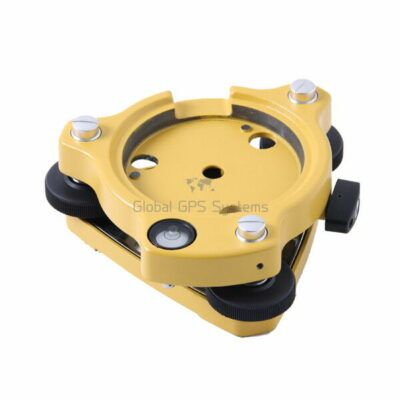
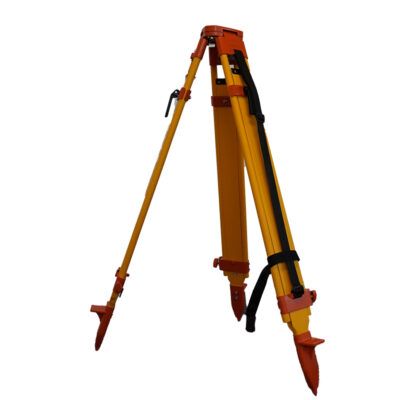
Surveying Accessories for GNSS, Total Stations and Field Equipment
The right surveying accessories can make a significant difference to how efficiently equipment is set up and used in the field. Survey instruments such as RTK GNSS receivers, total stations and data collectors often depend on supporting equipment for stable mounting, accurate positioning, communication and convenient operation.
Global GPS Systems offers accessories for professional surveying and construction workflows, including tripods, bipods, survey poles, prism equipment, mounting brackets, reflector sheets and data or antenna cables. These products can be used to complete a new survey set, replace worn components or adapt existing equipment to a specific field application.
Survey Tripods
A surveying tripod provides a stable platform for equipment such as total stations, GNSS base stations, prisms and other instruments. Stability is important because movement of the instrument can directly affect measurements or require the equipment to be levelled again.
Both aluminium and wooden survey tripods are commonly used. Aluminium tripods are practical when low weight and easy transportation are priorities. Wooden tripods provide a solid platform and are often selected for applications where stability is particularly important. When choosing a tripod, consider the instrument weight, mounting connection, working environment and how often the equipment needs to be transported between points.
Survey Poles and Bipods
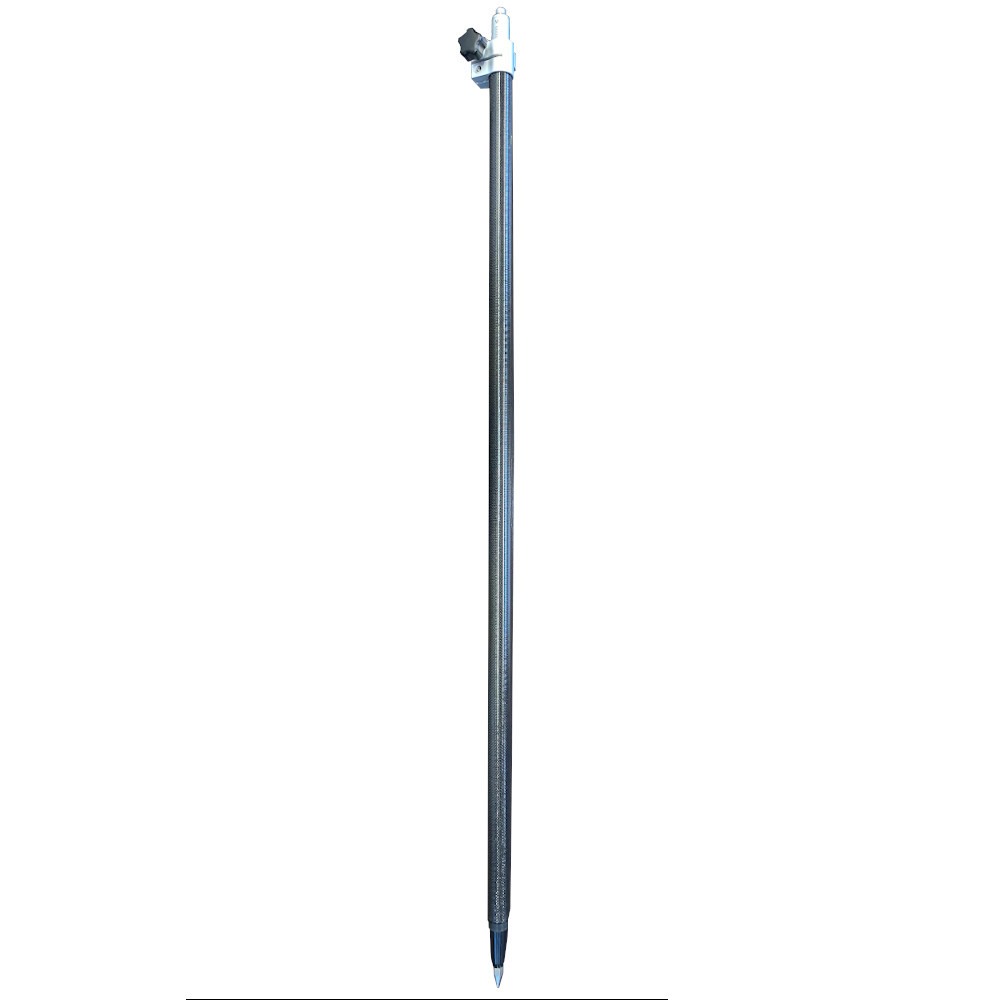
Survey and prism poles are used to position GNSS receivers, prisms and other survey targets at a known height. A well-built pole helps the operator maintain a repeatable setup when measuring points or carrying out stakeout work.
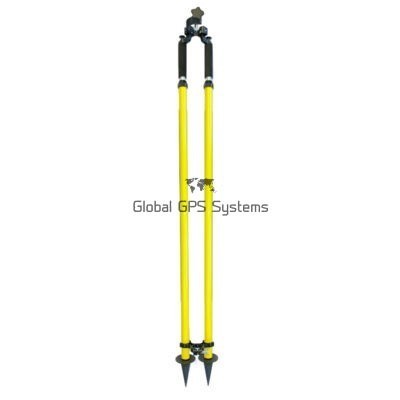
A surveying bipod can support the pole when measurements need to be taken over a longer period or when the operator needs both hands free. Two-leg and three-leg support systems can be useful for static measurements, control points, GNSS observations and other applications where keeping the pole stable and vertical is important.
Prisms for Total Station Surveying
Survey prisms reflect the measuring signal from a total station back toward the instrument. They are commonly used for distance measurement, setting out, topographic surveys and construction control.
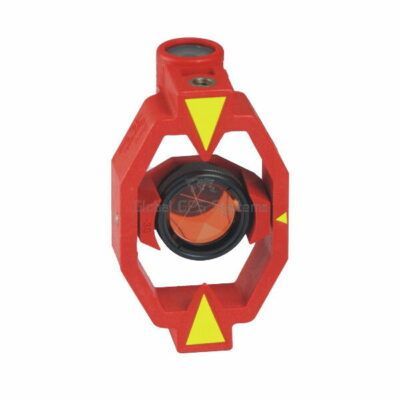
Different prism configurations suit different applications. A compact mini prism can be convenient for detail work and short-distance measurements, while a 360-degree prism is particularly useful with robotic total stations because the instrument can track the prism from different directions. When choosing a prism, check the prism constant, mounting arrangement and compatibility with the total station and survey workflow.
Reflector Sheets
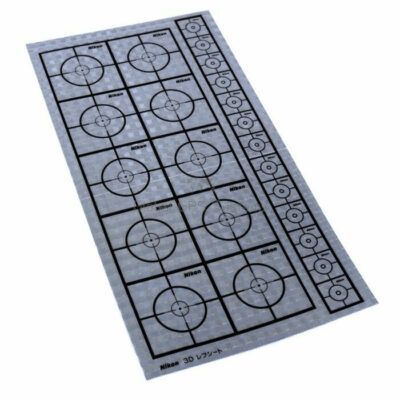
Reflector sheets provide a compact alternative to conventional prism assemblies for suitable total station measurements. Adhesive reflector targets can be attached to structures, walls or other stable surfaces and left in position for repeat measurements.
They are useful for applications such as construction control, monitoring and reference points where installing a full prism assembly would be unnecessary or inconvenient. Reflector sheets are available in different sizes, allowing the target size to be selected according to the expected measurement distance and application.
Controller, Tablet and Smartphone Mounts
Modern surveyors regularly work with GNSS controllers, tablets and smartphones in the field. A suitable survey pole mount or controller bracket positions the device where it can be viewed and operated while the GNSS receiver remains mounted on top of the pole.
Tablet and smartphone brackets are particularly useful for mapping, construction stakeout and GIS workflows where field software is used throughout the measurement process. Before selecting a mount, check the supported device dimensions, pole diameter, mounting mechanism and whether the screen remains easy to access while wearing field gloves.
Antenna and Data Cables
Cables are an important part of many GNSS and communication setups. SMA extension cables can be used when a compatible antenna needs to be positioned away from the receiver or radio, while longer antenna cables can support installations where greater separation between components is required.
When choosing a cable, check the connector type at both ends, cable length and compatibility with the connected equipment. Similar-looking connectors are not always interchangeable, so matching the connector specification is important before ordering a replacement or extension cable.
Choosing the Right Surveying Accessories
Start by identifying the instrument or field device the accessory will be used with. Check mounting threads, connector types, pole dimensions and other physical interfaces before choosing a replacement or additional component. Compatibility is especially important for prisms, cables and brackets because small differences can prevent the accessory from working correctly with the existing equipment.
Next, consider how the equipment is used in practice. A construction surveyor who moves between stakeout points throughout the day may prioritise lightweight poles and convenient controller brackets, while a surveyor establishing a GNSS base station may place greater emphasis on tripod stability and secure mounting.
Durability should also match the working environment. Survey equipment is regularly exposed to dirt, vibration, transport and changing weather conditions, so accessories intended for daily professional use should be suitable for repeated field setup and handling.
Accessories for Different Surveying Workflows
GNSS surveyors commonly use accessories such as survey poles, bipods, controller mounts and antenna cables. Total station users may require tripods, prisms, reflector sheets, prism poles and adapters. Construction professionals can combine these products with GNSS or total station equipment to create a complete setup for layout, checking levels and recording completed work.
GIS and asset-mapping users may also benefit from smartphone or tablet mounts that allow mapping software and positioning equipment to be operated together. Selecting accessories around the complete workflow helps reduce unnecessary equipment changes in the field.
Surveying Accessories from Global GPS Systems
Global GPS Systems supplies surveying accessories for GNSS receivers, total stations, controllers and other professional measurement equipment. When choosing an accessory, our team can help you check practical details such as mounting compatibility, connector type, prism configuration and the intended field application. This makes it easier to build a survey setup in which the instrument, mounting equipment and field accessories work together correctly.
Surveying Accessories FAQ
Surveying Accessory Basics
What accessories do I need for surveying?
The required accessories depend on the equipment and application. Common items include tripods, survey poles, bipods, prisms, reflector sheets, controller mounts, tablet brackets and antenna or data cables.
Are surveying accessories universal?
Not always. Mounting threads, connector types, prism constants, pole diameters and bracket dimensions can differ between products. Compatibility should be checked before selecting an accessory for a specific GNSS receiver, total station or controller.
Can I use surveying accessories from a different brand?
In many cases this is possible when the mechanical or electrical specifications are compatible. Check factors such as mounting threads, connector types, dimensions and prism specifications rather than relying on the brand name alone.
Tripods, Poles and Bipods
What is the difference between an aluminium and wooden survey tripod?
Aluminium tripods are generally convenient when lower weight and frequent transportation are important. Wooden tripods provide a solid platform and are often chosen when instrument stability is a priority. The best option depends on the equipment and field conditions.
Why use a bipod with a survey pole?
A bipod supports the survey pole and helps keep it stable and vertical. This is useful for GNSS observations, control points or other measurements where the pole needs to remain stationary for longer than a normal handheld measurement.
Can the same survey pole be used for GNSS and a prism?
It may be possible when the mounting connection and pole specification are suitable for both instruments. Always check the thread, pole height and mounting requirements of the GNSS receiver or prism being used.
Prisms and Reflectors
What is a 360-degree prism used for?
A 360-degree prism is commonly used with robotic total stations because the instrument can measure and track the prism from different horizontal directions. This can make it more convenient for one-person surveying and construction stakeout.
When should I use a mini prism?
A mini prism is useful for compact setups, detail measurements and locations where a conventional full-size prism assembly would be inconvenient. The appropriate prism depends on the required measurement distance and total station specifications.
What are reflector sheets used for?
Reflector sheets are adhesive survey targets that can be mounted on stable surfaces for compatible total station measurements. They are commonly used for reference points, monitoring and construction applications where leaving a conventional prism in place is impractical.
Brackets, Cables and Compatibility
How do I choose a controller or tablet bracket?
Check the dimensions of the controller, tablet or smartphone together with the diameter of the survey pole. The bracket should hold the device securely while keeping the display and controls easy to access during fieldwork.
How do I choose the correct antenna extension cable?
Check the connector type at both ends, required cable length and compatibility with the antenna and instrument. For example, equipment using SMA connectors requires a cable with the appropriate SMA male and female configuration.
Can Global GPS Systems help me find a compatible accessory?
Yes. Global GPS Systems can help identify suitable surveying accessories based on your GNSS receiver, total station, controller or existing field setup, including relevant mounting and connector requirements.
 GPS & GNSS
 Total Stations
 Data collectors
 Software
 Correction services
 Machine control
 External radio
 Marine
 Accessories