


 GPS & GNSS
 Lidar scanning
 Total Station


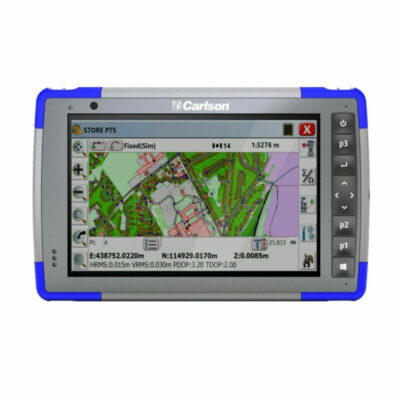
Data collectors
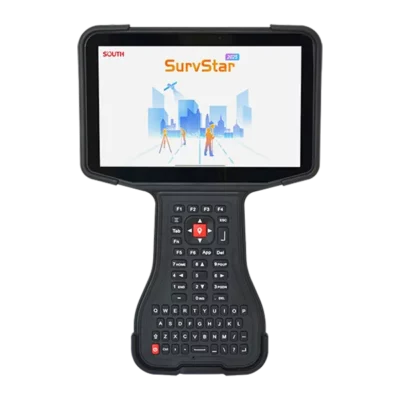
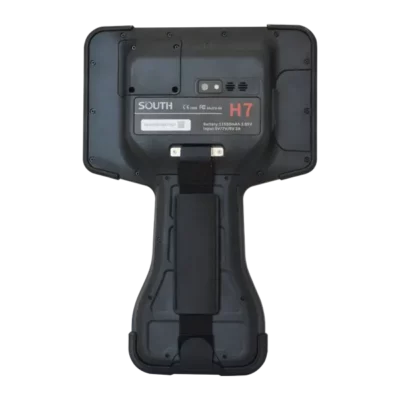
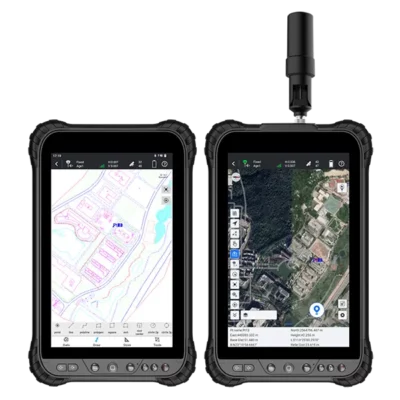
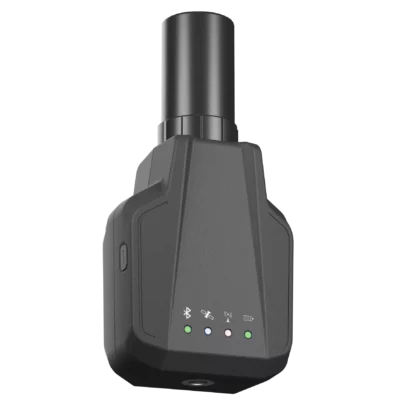
Handheld GPS
Handheld GPS receivers for field mapping and data collection
A handheld GPS receiver combines satellite positioning, mobile computing and field data collection in one portable device. Unlike a standard consumer navigation unit, professional handheld GNSS equipment is designed to record coordinates together with useful information such as asset numbers, condition notes, photographs, feature codes and descriptions. This makes it suitable for teams that need to locate, inspect and document objects while working outdoors.
Handheld GPS receivers are widely used for GIS mapping, environmental surveys, construction inspections, forestry inventories, archaeological fieldwork and utility management. Typical applications include recording trees and vegetation, locating signs and street furniture, mapping inspection points, documenting pipes and cables, checking site features and updating existing asset databases. The required accuracy depends on the work: general navigation may only require metre-level positioning, while professional asset mapping can benefit from sub-metre, decimetre or RTK-enabled centimetre accuracy.
Practical advantages in the field
A handheld design allows operators to move freely without carrying a separate receiver, controller and pole for every task. This is useful when collecting many features across a large area or working in locations where a full surveying setup would be inconvenient. Rugged housings, readable displays and long battery life help the equipment remain practical during full working days in changing weather conditions.
- Portable operation: carry the receiver easily between assets, inspection points and mapping locations.
- Integrated data collection: store coordinates, attributes, photographs and field notes in a single workflow.
- Flexible positioning: select accuracy levels that match navigation, GIS, construction or survey requirements.
- Digital export: transfer collected data to GIS, CAD or asset-management platforms in compatible formats.
Understanding handheld GPS accuracy
Accuracy is one of the most important considerations when comparing handheld GPS receivers. Basic positioning can be sufficient for navigation or finding the approximate location of an object. GIS teams recording assets such as trees, signs, drains or park furniture may need metre, sub-metre or decimetre accuracy. Work involving setting out, precise utility locations or detailed surveys may require an RTK-capable GNSS receiver with correction data.
Real-world accuracy is influenced by more than the value stated for the receiver. Buildings, trees, bridges and other obstacles can block or reflect satellite signals. A receiver that tracks multiple GNSS constellations and frequencies will generally maintain a more stable position in difficult surroundings. Some handheld systems can also use an external antenna or correction service when greater consistency is needed.
Choosing the right handheld GNSS receiver
Start by deciding how accurate the final coordinates must be. Avoid selecting a high-precision system when approximate asset locations are sufficient, but do not rely on navigation-grade positioning when the data will be used for construction, engineering or legal survey work. Consider whether the receiver supports RTK corrections, SBAS, post-processing or an external antenna if your projects may require improved accuracy.
The operating system and software are equally important. Check that the device can run the field application used by your team and that it can export the required file types, such as CSV, DXF, SHP or other GIS formats. Coordinate-system support should also match the country and project environment so that unnecessary transformations can be avoided after fieldwork.
Other practical factors include screen size, sunlight readability, battery runtime, camera quality, mobile connectivity, ingress protection and resistance to drops. A lightweight unit may be preferable for long walking surveys, while a larger rugged controller can provide more screen space for maps, forms and drawings. For repetitive asset surveys, a simple and well-configured data-entry workflow is often more valuable than unnecessary technical complexity.
Handheld GPS for GIS and asset management
GIS users often need more than a coordinate. A useful field record can include the asset category, identification number, installation date, condition, inspection result and supporting photographs. Professional handheld GPS systems help operators capture this information at the feature location, reducing handwritten notes and manual data entry in the office.
Before choosing a device, confirm how the collected information will enter the organisation’s GIS or asset-management system. Compatible software, attribute forms, coordinate reference systems and export formats create a smoother workflow from field collection to final delivery. Global GPS Systems can help buyers compare handheld receivers based on the required accuracy, software environment, correction method and daily field conditions.
Related equipment for higher-accuracy work
A handheld receiver is ideal when portability and integrated data collection are the main priorities. For centimetre-level surveying, construction setting out or high-volume point measurement, an RTK GNSS rover may provide a more suitable pole-based workflow. External GNSS antennas can improve antenna placement or positioning performance in specialised setups, while rugged data collectors are useful when a separate receiver and controller are preferred.
Selecting the right solution therefore depends on the balance between accuracy, portability and software compatibility. By matching these factors to the actual field task, teams can collect dependable data without making the workflow more complicated than necessary.
Handheld GPS FAQ
Accuracy and positioning
How accurate is a handheld GPS receiver?
Accuracy varies by model, correction method and surroundings. Navigation-grade devices may provide metre-level positions, while professional GNSS handhelds can offer sub-metre or decimetre results. RTK-capable systems can reach centimetre-level accuracy when suitable correction data and satellite visibility are available.
What affects handheld GPS accuracy in the field?
Buildings, dense trees, bridges and other obstacles can block or reflect satellite signals. Satellite geometry, antenna quality, supported GNSS constellations and the availability of correction data also influence the final position.
Do I need RTK on a handheld GPS?
RTK is useful when coordinates must be accurate to a few centimetres, such as for detailed surveying, construction or precise utility mapping. It may not be necessary for navigation, inspections or GIS projects where metre or decimetre accuracy is acceptable.
Applications and users
What is a handheld GPS used for?
Handheld GPS receivers are used for navigation, GIS data collection, asset mapping, environmental surveys, forestry inventories, archaeological recording, construction inspections and utility work.
Can a handheld GPS record asset information?
Yes. With suitable field software, operators can store coordinates together with feature codes, descriptions, condition details, identification numbers, photographs and other attributes.
Is a handheld GPS suitable for surveying?
It can be suitable for reconnaissance, GIS surveys and general point collection. Formal or high-precision survey work normally requires a professional GNSS receiver with an appropriate antenna, correction source and surveying software.
Software and data
Which file formats can handheld GPS devices export?
Available formats depend on the installed software. Common options include CSV, SHP, DXF, KML and other GIS or CAD-compatible formats. Always check compatibility with the system used to process or manage the data.
Can handheld GPS data be used in GIS software?
Yes. Professional field applications can collect coordinates and attributes for transfer into GIS and asset-management platforms. Correct field names, coordinate systems and export settings should be configured before starting a project.
Why is coordinate-system support important?
The correct coordinate system ensures that collected points align with existing maps, drawings and databases. Choosing it in the field can prevent additional coordinate transformations and reduce the risk of processing errors.
Choosing a handheld receiver
What should I consider when buying a handheld GPS?
Consider the required accuracy, supported correction methods, software compatibility, export formats, battery life, screen visibility, ruggedness, connectivity and whether an internal or external antenna is most suitable.
Is a handheld GPS better than a separate GNSS rover?
A handheld GPS is more compact and convenient for navigation, inspections and GIS mapping. A separate pole-mounted GNSS rover is usually better for repetitive centimetre-level surveying and construction measurements.
Can Global GPS Systems help me select a handheld GPS?
Yes. Global GPS Systems can help compare available receivers based on your accuracy requirements, field software, correction service, working environment and preferred data workflow.
 GPS & GNSS
 Total Stations
 Data collectors
 Software
 Correction services
 Machine control
 External radio
 Marine
 Accessories