


 GPS & GNSS
 Lidar scanning
 Total Station

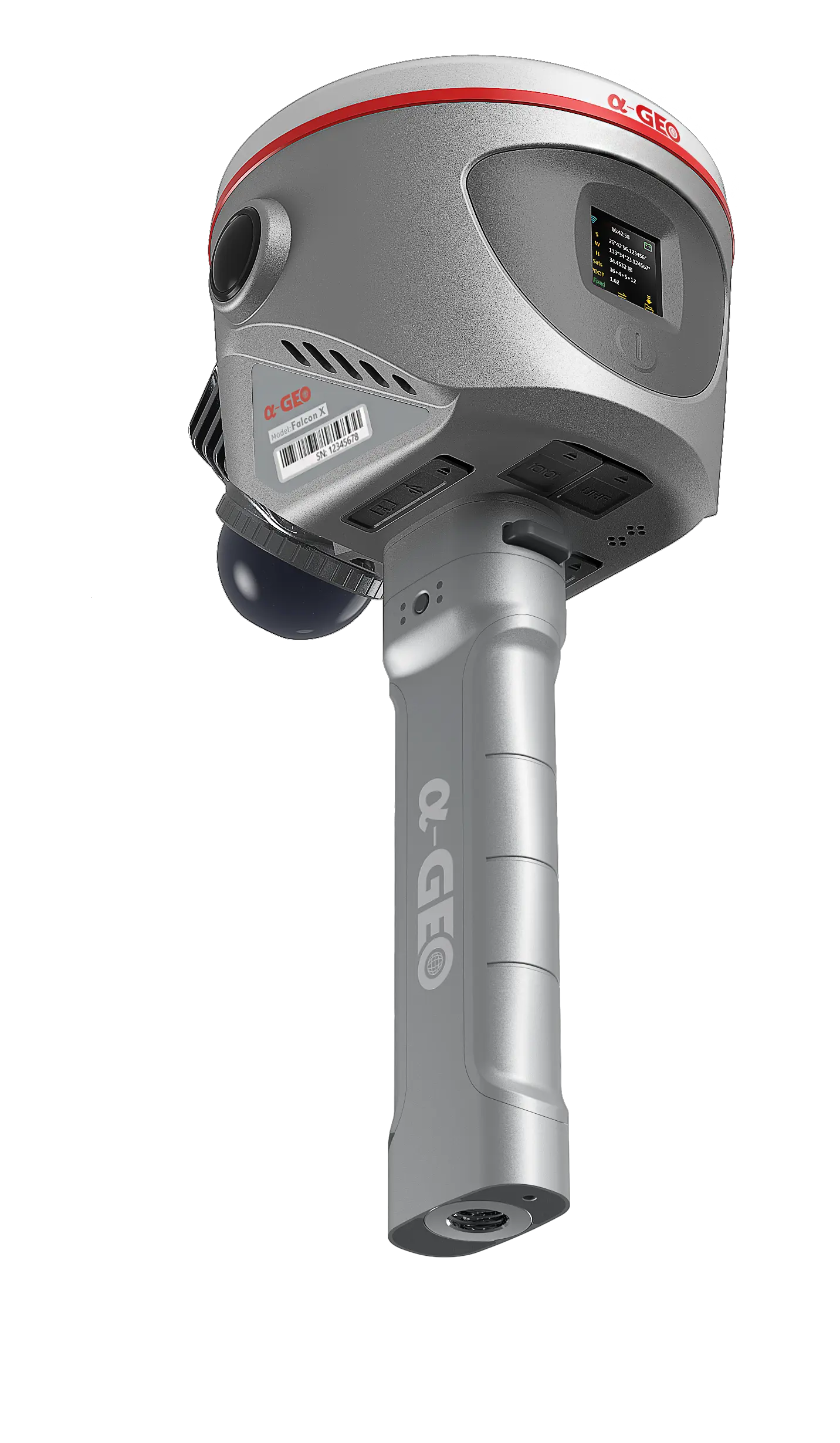
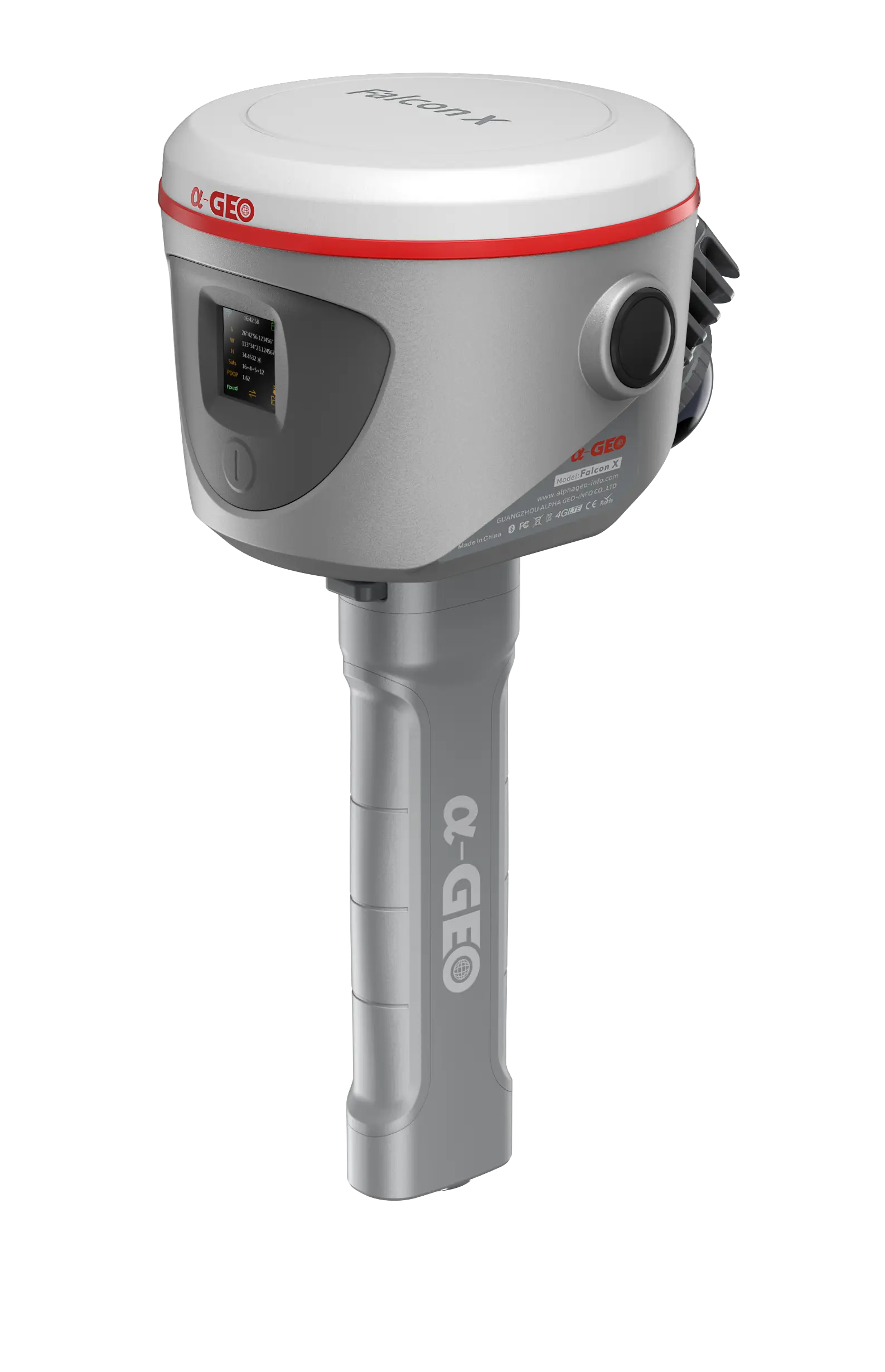
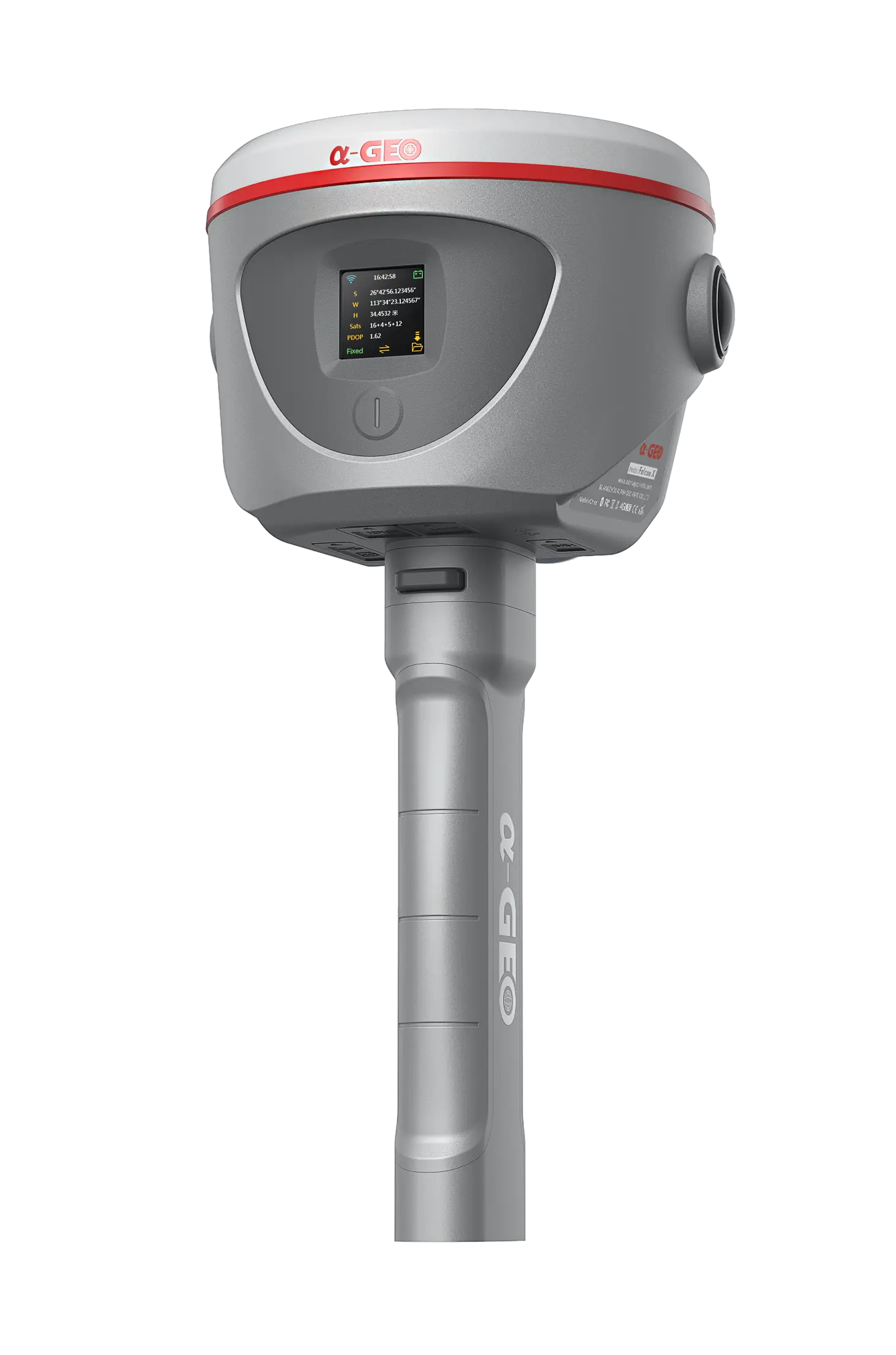


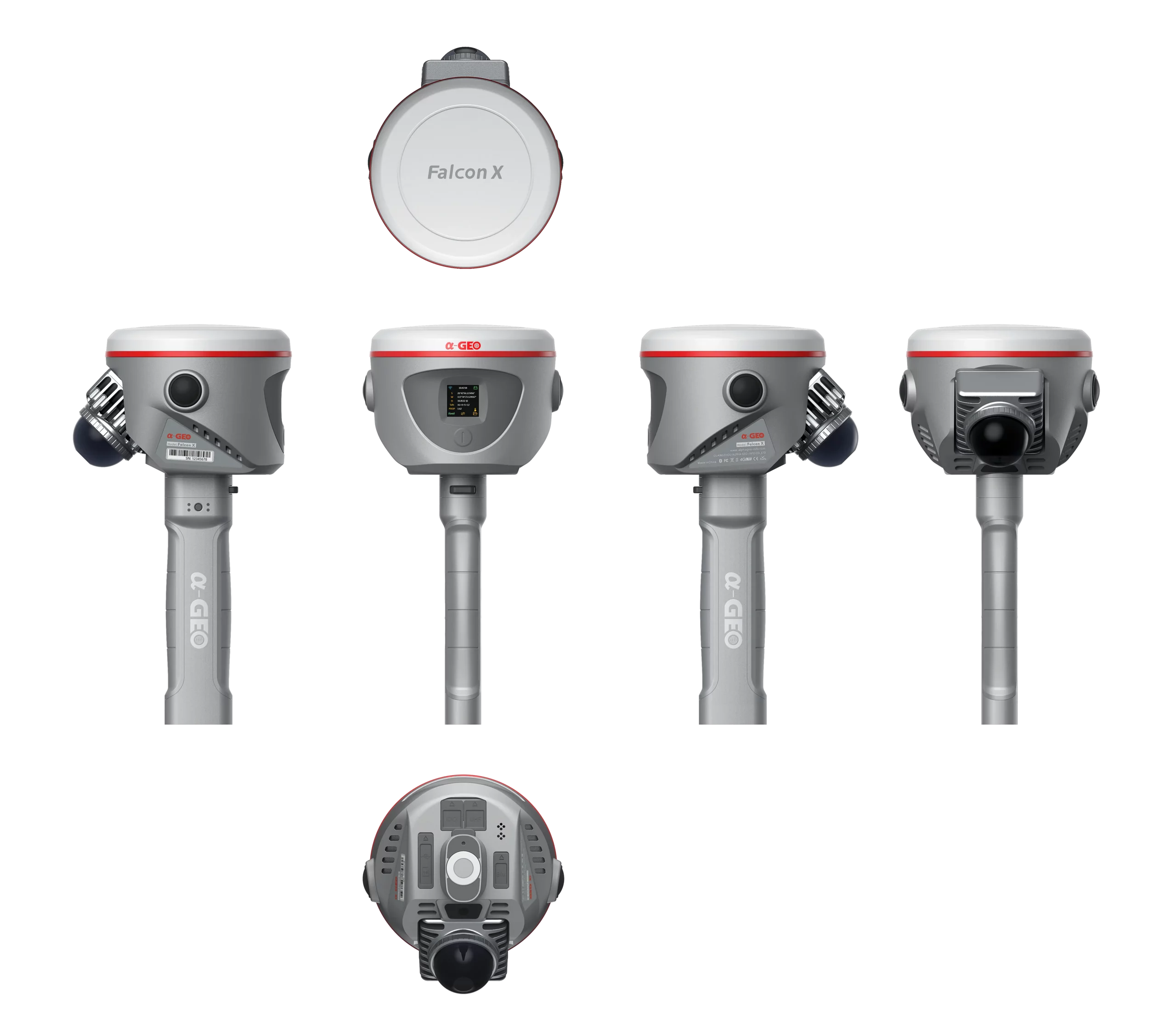
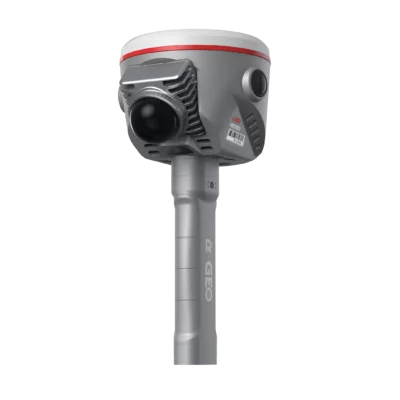
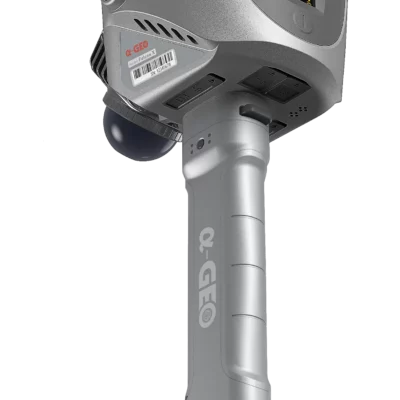
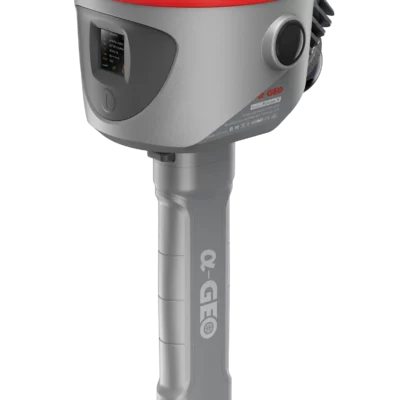

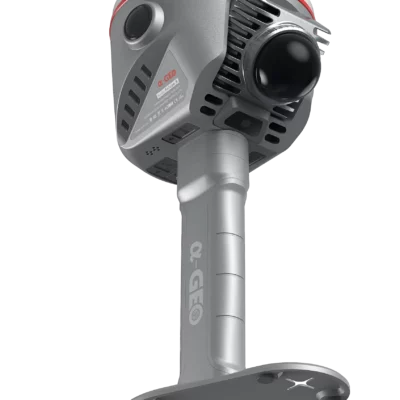
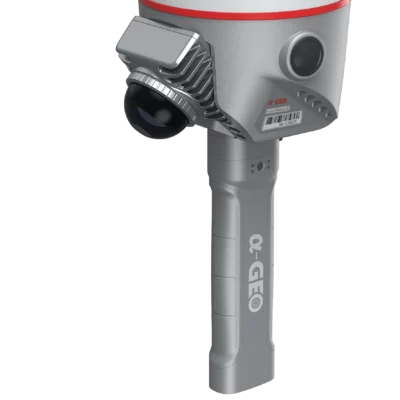

Alpha Geo Falcon X with RTK and SLAM Lidar
Get the best price for your setup
Contact our experts for the best possible price and configuration.
- Fast response
- Expert configuration advice
- No overpaying for features you do not need
The Alpha Geo Falcon X Rover Set combines RTK GNSS, SLAM LiDAR scanning, IMU tilt compensation and visual data capture in one field-ready surveying system. It is built for professionals who need accurate point measurement outdoors and practical 3D data collection in tunnels, buildings, urban areas, forestry, utilities and other GNSS-challenged locations.
Use it as a conventional RTK rover for survey points, control work, construction layout and GIS collection, or switch to SLAM scanning when satellite reception becomes limited. With a 1408-channel GNSS engine, 40-channel LiDAR, dual 48 MP cameras and AlphaGeo SurPro 6.0 software, the Falcon X gives surveyors, engineers, construction teams and mapping crews a flexible workflow for mixed indoor and outdoor projects.
Alpha Geo Falcon X Highlights
| Product type | Hybrid RTK GNSS rover and SLAM LiDAR scanner set |
|---|---|
| GNSS channels | 1408 channels with GPS, GLONASS, Galileo, BeiDou, QZSS, IRNSS, SBAS and L-Band support |
| RTK accuracy | 8 mm + 1 ppm horizontal / 15 mm + 1 ppm vertical |
| Tilt compensation | 4D IMU tilt, 0° to 120°, with less than 2.5 cm tilt accuracy within 120° |
| SLAM LiDAR | 40-channel LiDAR, up to 200,000 points/s, up to 70 m range at 80% reflectivity |
| Camera system | 2 × 48 MP colouring cameras and 5 MP AR camera |
| Software | AlphaGeo SurPro 6.0 app and Alpha Studio PC software |
| Protection rating | IP67 waterproof and dustproof housing |
You may also like…
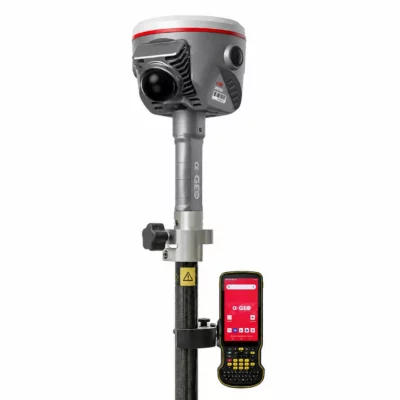
GPS & GNSS
Valued customers:








Find RTK Networks
Search NTRIP providers and connect to reliable RTK correction services.
Description
Alpha Geo Falcon X Rover Set Product Description
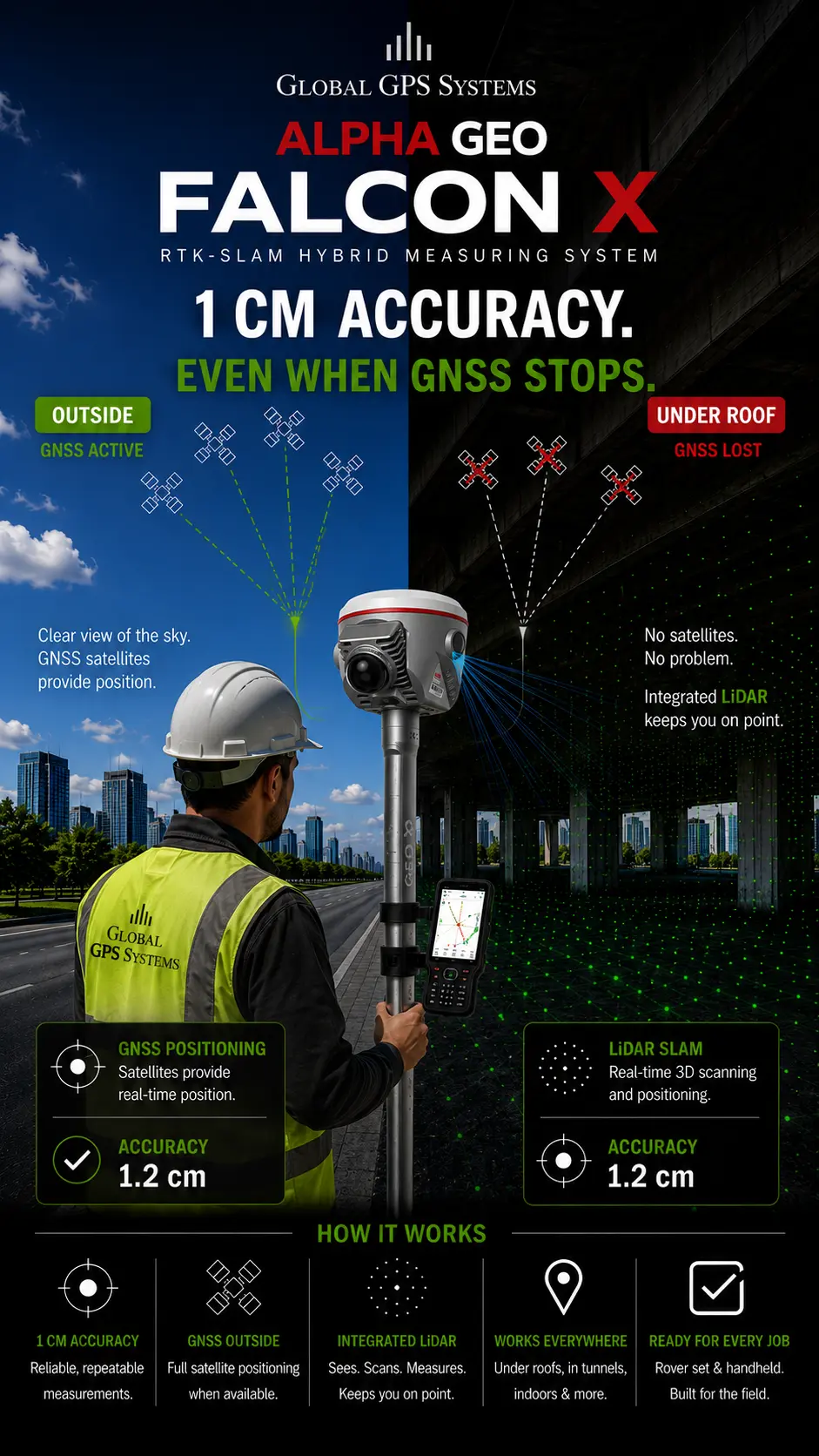
The Alpha Geo Falcon X Rover Set is a hybrid RTK GNSS and SLAM LiDAR surveying system for field teams that need more than a standard GNSS rover. It brings together centimetre-level RTK positioning, mobile LiDAR scanning, IMU tilt compensation, visual data capture and field software in one workflow. This makes it useful for surveyors, construction professionals, GIS teams, engineers, drone mapping crews and infrastructure specialists working across open-sky, obstructed and indoor environments.
In normal outdoor conditions, the Falcon X works as a professional RTK GNSS rover for point collection, control measurement, construction layout, topographic surveys, GIS data capture and site checks. When the project moves into a tunnel, building, underground utility space, urban canyon, forested area or other location where GNSS reception is limited, the integrated SLAM LiDAR scanner allows the user to continue collecting useful 3D spatial data.
Hybrid RTK GNSS and SLAM Workflow
The main strength of the Falcon X is its ability to support different measuring methods within the same field system. RTK mode is suited for conventional survey work where satellite visibility is available. SLAM mode is designed for mobile point cloud collection in areas where a GNSS-only receiver may struggle or stop working completely.
For mixed projects, this gives the field crew more continuity. A surveyor can collect RTK points outside, document site features, then continue into a building, tunnel, plant room, parking garage or utility corridor with SLAM scanning. This is especially valuable for infrastructure, construction, engineering, inspection and mapping projects where outdoor and indoor data often need to connect in one usable coordinate workflow.
RTK GNSS Performance for Survey Work
The Falcon X uses a 1408-channel GNSS engine with support for GPS, GLONASS, BeiDou, Galileo, QZSS, IRNSS, SBAS and L-Band signals. In fieldwork terms, broad constellation support helps the rover track more signals and maintain a stable position in different regions and site conditions.
For RTK surveying, the receiver is specified at 8 mm + 1 ppm horizontal accuracy and 15 mm + 1 ppm vertical accuracy for baselines under 30 km. Network RTK accuracy is specified at 8 mm + 0.5 ppm horizontal and 15 mm + 0.5 ppm vertical. This level of performance makes the Falcon X suitable for survey control, topographic measurement, construction checks, setting out and accurate GIS work when used with suitable corrections and field procedures.
4D IMU Tilt for Faster Point Collection
The built-in 4D IMU tilt compensation helps users measure points without perfectly levelling the pole for every observation. The Falcon X supports tilt compensation from 0° to 120°, with specified tilt accuracy of less than 2.5 cm within 120°.
On site, this is useful around fences, walls, trenches, parked equipment, building corners, traffic areas and other places where holding the pole perfectly vertical is slow or difficult. For construction workers and surveyors, tilt compensation can reduce repeated setup time while still keeping the workflow practical for accurate point collection.
Integrated SLAM LiDAR Scanning
The Falcon X includes a 40-channel LiDAR scanner with a measurement rate of up to 200,000 points per second. The scanning range is specified from 0.1 m to 40 m at 10% reflectivity and from 0.1 m to 70 m at 80% reflectivity. This allows users to walk through a project area and capture dense 3D point cloud data of the surrounding environment.
SLAM scanning is especially useful when the job requires more than individual points. It can help document tunnels, underground spaces, utility corridors, industrial sites, building interiors, façades, forestry tracks, stockpiles, roadsides and complex urban areas. For volume work, as-built documentation, design reference and inspection, a point cloud can give office teams and project stakeholders a clearer understanding of the site.
Camera System and Colour Point Cloud Support
The Falcon X is equipped with two 48 MP colouring cameras and a 5 MP AR camera. The panoramic camera setup supports colour point cloud processing, which can make 3D survey data easier to interpret in the office.
Colourised point clouds are useful for communicating site conditions to engineers, CAD teams, BIM teams, contractors and clients. Instead of viewing only a grey point cloud, users can work with visual context from the captured environment, helping with feature recognition, documentation and project review.
Field Software and Data Workflow
The Falcon X works with the AlphaGeo SurPro 6.0 Android application for field operation. The app is used to configure GNSS and SLAM parameters, perform RTK surveying, collect points, control SLAM scanning, acquire point clouds and monitor positioning quality. Alpha Studio PC software is used in the office workflow for point cloud handling and processing.
The system supports .las point cloud output, which is a common format for LiDAR and point cloud projects. It also supports colour point cloud processing and RTK fusion processing, helping teams connect GNSS, LiDAR and visual information into a usable survey deliverable.
Connectivity for Modern RTK Workflows
The Falcon X is designed for different correction and communication setups. It includes internal UHF radio, 4G cellular connectivity, Wi-Fi, Bluetooth 5.2, Nano SIM support, Type-C interface, LEMO5 interface, SMA UHF antenna interface and microSD storage. Supported correction workflows include internal radio, device internet, phone internet and NTRIP-style field software workflows.
This flexibility is useful for crews working across different countries, networks and job sites. A construction team may use network RTK through internet corrections, while a survey crew in a remote area may prefer radio correction workflows depending on the setup and available equipment.
Built for Field Conditions
The Falcon X has a rugged magnesium alloy body and an IP67 waterproof and dustproof rating. It is specified for operation from -20°C to +50°C, making it suitable for demanding field environments, changing weather and construction site conditions.
Battery life is specified at approximately 180 minutes in SLAM mode and typically up to 8 hours in RTK mode using phone internet. This makes the system suitable for high-power scanning tasks as well as longer conventional RTK sessions, depending on the project workflow.
Typical Applications
- Land surveying and topographic measurement
- Construction layout, site checks and as-built documentation
- Tunnel, underground and utility corridor surveying
- Urban mapping and infrastructure documentation
- Forestry, stockpile and volume measurement
- Indoor and outdoor point cloud collection
- Engineering, BIM and architectural survey support
- GIS data collection in obstructed environments
Who Is the Alpha Geo Falcon X Rover Set For?
The Falcon X is a strong fit for professionals who regularly move between open outdoor areas and GNSS-challenged environments. Surveyors can use it for RTK point work and point cloud scanning. Construction teams can use it for layout support, site measurement and as-built documentation. GIS workers can collect accurate position data in more complex locations. Drone pilots and mapping teams can add ground-based point clouds to aerial survey data for more complete project coverage.
For simple open-field point collection, a standard RTK rover may be enough. For projects involving tunnels, buildings, bridges, vegetation, industrial sites, underground spaces or dense urban areas, the Falcon X gives the user more measuring options in one system.
Buying from Global GPS Systems
Global GPS Systems supplies the Alpha Geo Falcon X Rover Set with worldwide shipping from the Netherlands, insured transport, import and export support, and product guidance from GNSS specialists. For buyers comparing RTK GNSS, LiDAR and SLAM equipment, this support helps match the system to the right field workflow, correction method and software setup.
The Alpha Geo Falcon X Rover Set is a practical choice for teams that want one flexible system for RTK surveying, SLAM scanning and indoor-outdoor mapping. It combines GNSS positioning, LiDAR data capture, IMU tilt compensation, camera support and field software in a workflow built for modern survey and mapping projects.
Specifications
Alpha Geo Falcon X Specifications
Product Overview
| Product Name | Alpha Geo Falcon X |
|---|---|
| System Type | RTK GNSS + LiDAR SLAM hybrid measuring system |
| Primary Functions | RTK GNSS surveying, SLAM scanning, point cloud capture, panoramic imaging, AR-assisted positioning and IMU tilt measurement |
| Operating Modes | RTK rover mode and SLAM scanning mode |
| Typical Applications | Topographic surveying, tunnel surveying, underground mapping, indoor scanning, urban mapping, forestry surveying, volume calculation, construction verification and as-built documentation |
| Software Platform | AlphaGeo SurPro V6.0 Android application; Alpha Studio PC software referenced for point cloud workflow |
GNSS Performance
| GNSS Channels | 1408 channels |
|---|---|
| GPS Signals | L1 C/A, L2C, L2P, L5 |
| GLONASS Signals | L1, L2, L3 |
| BeiDou / BDS Signals | B1, B1C, B2, B2a, B2b, B3 |
| Galileo Signals | E1, E5a, E5b, E6 |
| QZSS Signals | L1, L2, L5, L6 |
| IRNSS Signals | L5 |
| SBAS Signals | L1, L5 |
| L-Band Support | B2b / BDSPPP and E6B / HAS |
| Cold Start | <60 s |
| Hot Start | <15 s |
| Positioning Output Rate | 1 Hz to 50 Hz |
| Signal Reacquisition | <1 s |
| RTK Initialization Time | <5 s |
| Initialization Reliability | >99.99% |
| Time Accuracy | 20 ns |
GNSS Accuracy
| Code Differential GNSS Positioning | Horizontal: 0.25 m + 1 ppm RMS; Vertical: 0.50 m + 1 ppm RMS |
|---|---|
| SBAS Differential Positioning | Typically <5 m, 3DRMS |
| Static GNSS Surveying | Horizontal: 2.5 mm + 0.5 ppm RMS; Vertical: 5 mm + 0.5 ppm RMS |
| RTK Surveying, Baseline <30 km | Horizontal: 8 mm + 1 ppm RMS; Vertical: 15 mm + 1 ppm RMS |
| Network RTK | Horizontal: 8 mm + 0.5 ppm RMS; Vertical: 15 mm + 0.5 ppm RMS |
IMU Tilt Performance
| IMU Type | Supported 4D IMU |
|---|---|
| IMU Initialization | 3 seconds |
| Update Rate | 400 Hz |
| Tilt Accuracy | <2.5 cm within 120° |
| Tilt Compensation Range | 0° to 120° |
SLAM Performance
| Laser Channels | 40 |
|---|---|
| Scanning Range | 0.1 m to 40 m at 10% reflectivity; 0.1 m to 70 m at 80% reflectivity |
| Measurement Rate | 200,000 points/s |
| Scanning Speed | 10 Hz |
| Laser Field of View | 360° × -7° to 52° |
| Laser Safety Class | Class 1 |
| Laser Wavelength | 905 nm |
| Processing Mode | Real-time and post-processing |
| Point Cloud Format | .las |
| Real-Time Color Point Cloud | Not supported |
| Processing Color Point Cloud | Supported |
| RTK Fusion Processing | Supported |
| Standalone SLAM Scanning | Supported without Android controller |
| Controller SLAM Scanning | Supported using AlphaGeo SurPro V6.0 on compatible Android device |
SLAM Accuracy
| Absolute Accuracy, Indoor | ≤5 cm |
|---|---|
| Absolute Accuracy, RTK | ≤6 cm |
| Point Cloud Thickness | ≤3 cm |
| Relative Accuracy | <1.2 cm |
| Horizontal Angle Resolution | ≤0.05° |
Camera System
| Number of Cameras | 3 |
|---|---|
| Coloring Cameras | 2 × 48 MP panoramic cameras |
| Camera Field of View | 190° × 190° |
| AR Camera | 5 MP |
| Panoramic Imaging | Supports 360° omnidirectional imaging workflow |
| Color Point Cloud Workflow | Supported during processing |
Communications and Interfaces
| LEMO Interface | 1 × LEMO5 |
|---|---|
| Memory Card Slot | 1 × TF / microSD card slot |
| SIM Card Slot | 1 × NanoSIM card slot |
| USB Interface | 1 × USB Type-C interface |
| UHF Antenna Interface | 1 × SMA UHF antenna interface |
| Display | 1.3-inch color LED display, 240 × 240 resolution |
| Internal UHF | Internal 1.5 W UHF radio |
| UHF Frequency Band | 410 MHz to 470 MHz |
| UHF Protocols | Trimtalk450S, Alphatalk15, South, Satel, PCC-EOT |
| Cellular Network | Multi-band 4G modem supporting TDD-LTE, FDD-LTE, WCDMA and CDMA2000 |
| Wi-Fi | 802.11a/b/g/n/ac |
| Bluetooth | Bluetooth 5.2 |
| Differential Data Format | RTCM2x, RTCM3x |
| Supported Rover Datalinks | Internal radio, built-in network and controller network |
| Web UI Access | Available via Falcon X Wi-Fi access point and browser interface |
Data Storage
| External Memory | 256 GB |
|---|---|
| Expandable Storage | Up to 512 GB via microSD card |
| SLAM Data Storage Requirement | microSD card required for storing SLAM and survey data |
| Project Data Export | Point cloud export supported |
Power Supply
| Battery Type | Li-ion rechargeable clip-on battery pack |
|---|---|
| Battery Specification | 14.4 V, 47.52 Wh |
| Battery Life, SLAM Mode | 180 minutes |
| Battery Life, RTK Mode | Typically 8 hours using phone internet |
| Battery Charging Time | 2 hours |
| Power Consumption, SLAM | <25 W |
| Power Consumption, RTK | 2.5 W |
Physical Specifications
| Housing Material | Magnesium alloy |
|---|---|
| Dimensions | 138 mm diameter × 301 mm height, with battery and plate |
| Weight | 1.8 kg |
| Pole Mounting Thread | 5/8"-11 GNSS pole mounting thread |
| Protection Rating | IP67 waterproof and dustproof |
| Operating Temperature | -20°C to +50°C |
| Storage Temperature | -40°C to +80°C |
Hardware Components
| GNSS Receiver Module | Integrated |
|---|---|
| LiDAR Sensor | Integrated |
| RGB Cameras | Left and right RGB panoramic cameras |
| Auxiliary Camera | Integrated AR camera |
| Battery Pack | Clip-on rechargeable battery pack |
| Control Point Marker Plate | Included hardware component |
| Display | 1.3-inch LED information display |
| Controls | Power button and battery lock release button |
| Battery Indicator | 4-LED battery level indicator button |
| Audio | Speaker grilles |
Operating Workflow
| RTK Surveying | Operates as a GNSS rover with correction datalink configuration and point collection in SurPro V6.0 |
|---|---|
| IMU Point Survey | Supports tilt measurement after IMU initialization |
| Standalone SLAM Mode | Scanning can be started directly from the Falcon X unit without Android controller |
| Controller SLAM Mode | Uses AlphaGeo SurPro V6.0 for scanning control, point collection, visualization and project management |
| SLAM Initialization | Standalone SLAM initialization typically takes about 25 seconds |
| Wi-Fi Device Connection | Falcon X Wi-Fi connection is used for device communication and does not provide internet access |
Regulatory and Safety
| Laser Classification | Class 1 laser product |
|---|---|
| Wireless Modules | Bluetooth, Wi-Fi, internal UHF radio and 4G LTE cellular module |
| RF Separation Guidance | Maintain at least 20 cm between device/antenna and the human body during wireless transmission, especially with internal UHF active, unless local regulations specify otherwise |
| EU Radio Compliance | Radio Equipment Directive RED 2014/53/EU referenced in manual |
| EMC Compliance | EMC Directive 2014/30/EU referenced in manual |
| Safety Standard | EN IEC 62368-1:2020 + A11:2020 referenced in manual |
| FCC | Manual states device complies with Part 15 of the FCC Rules |
Standard Package Contents
| Item | Quantity | Notes |
|---|---|---|
| Falcon X protective carrying case | 1 | Standard unit package |
| Falcon X unit | 1 | Main RTK + SLAM device |
| Control point marker plate | 1 | Included marker plate |
| Falcon X USB-A to USB-C cable | 1 | USB 3.0 fast data cable |
| Battery charger | 1 | For clip-on battery pack |
| Clip-on rechargeable battery pack | 2 | Rechargeable Li-ion battery packs |
| UHF radio antenna | 1 | For internal UHF radio operation |
| SD card reader | 1 | For data transfer workflow |
Advanced Package Additional Contents
| Item | Quantity | Notes |
|---|---|---|
| Android device pole holder | 1 | Included with advanced unit package |
| Android device USB-A to USB-C cable | 1 | Data and charging cable |
| Android device USB power adapter | 1 | 5 V adapter for A-TAB |
| AlphaGeo A-TAB Android tablet | 1 | Android controller tablet |
Specifications and package contents may vary by configuration, region or manufacturer update. Always check the current configuration before ordering.
Reviews (0)
Only logged in customers who have purchased this product may leave a review.
FAQ
Alpha Geo Falcon X FAQ
Product Overview
What is the Alpha Geo Falcon X?
The Alpha Geo Falcon X is a professional RTK GNSS and LiDAR SLAM hybrid measuring system. It can be used as a high-precision GNSS rover for RTK point measurement and as a handheld SLAM scanner for 3D point cloud capture.
Who is the Alpha Geo Falcon X designed for?
The Falcon X is designed for surveyors, engineers, construction professionals, GIS teams, mapping specialists, infrastructure teams and other users who need accurate positioning and 3D spatial data capture in one field system.
Is the Falcon X a GNSS receiver or a LiDAR scanner?
It is both. The Falcon X combines a full RTK GNSS receiver with integrated LiDAR SLAM scanning, allowing users to switch between conventional RTK surveying and handheld point cloud collection.
What makes the Falcon X different from a standard RTK rover?
A standard RTK rover is mainly used for point measurement in GNSS-friendly conditions. The Falcon X adds LiDAR SLAM, panoramic imaging, visual sensors and point cloud capture, making it suitable for both open-sky surveying and environments where GNSS reception is limited.
Can the Falcon X be used indoors and outdoors?
Yes. The Falcon X is designed for workflows that move between outdoor RTK surveying and indoor or GNSS-challenged SLAM scanning, helping users capture data across different environments with one system.
Which industries use the Alpha Geo Falcon X?
The Falcon X is suitable for land surveying, construction, infrastructure mapping, tunnel surveying, urban mapping, industrial facility documentation, GIS data capture, forestry, underground spaces, volume calculation and as-built documentation.
RTK GNSS Performance
Can the Falcon X be used as a standard RTK GNSS rover?
Yes. In RTK mode, the Falcon X can be mounted on a survey pole and used for conventional GNSS point collection, topographic surveying, construction measurement and other RTK positioning tasks.
How many GNSS channels does the Falcon X have?
The Falcon X has a 1408-channel GNSS engine for multi-constellation and multi-frequency satellite tracking.
Which satellite constellations does the Falcon X support?
The Falcon X supports GPS, GLONASS, BeiDou, Galileo, QZSS, IRNSS and SBAS signals, depending on regional availability and correction setup.
What RTK accuracy can the Falcon X achieve?
For RTK surveying with a baseline under 30 km, the listed accuracy is 8 mm + 1 ppm horizontally and 15 mm + 1 ppm vertically. Actual accuracy can vary depending on satellite visibility, correction data, multipath, obstruction and field conditions.
Does the Falcon X support tilt compensation?
Yes. The Falcon X includes 4D IMU tilt compensation with initialization in approximately 3 seconds, an update rate of 400 Hz and tilt compensation from 0° to 120°.
What correction methods does the Falcon X support?
The Falcon X supports professional correction workflows through 4G, internal UHF radio, Wi-Fi and Bluetooth. It supports RTCM2x and RTCM3x differential data formats and can be used with common RTK and NTRIP-based workflows.
SLAM, LiDAR and Point Clouds
What is SLAM mode used for on the Falcon X?
SLAM mode is used for handheld 3D point cloud capture in environments where GNSS signals are limited or unavailable, such as tunnels, buildings, underground spaces, dense urban areas and industrial facilities.
What is the LiDAR scanning range of the Falcon X?
The Falcon X has a listed SLAM scanning range of 0.1 m to 40 m at 10% reflectivity and 0.1 m to 70 m at 80% reflectivity.
How many points per second does the Falcon X capture?
The Falcon X captures up to 200,000 points per second, helping users collect dense 3D data for mapping, documentation, inspection and design workflows.
What SLAM accuracy does the Falcon X provide?
The Falcon X lists indoor absolute accuracy of up to 5 cm, RTK absolute accuracy of up to 6 cm, point cloud thickness of up to 3 cm and relative accuracy below 1.2 cm. Real-world results depend on the scan environment and workflow.
Can the Falcon X create color point clouds?
Yes. The Falcon X includes dual 48 MP panoramic cameras that support true-color point cloud workflows during processing, making scanned scenes easier to interpret and document.
What point cloud format does the Falcon X export?
The Falcon X supports point cloud output in LAS format, which is commonly used in surveying, mapping, CAD, GIS and 3D data workflows.
Hardware, Software and Field Use
Which app is used with the Falcon X?
The Falcon X works with the AlphaGeo SurPro V6.0 Android application for device configuration, RTK surveying, point collection, SLAM scanning, point cloud acquisition and device monitoring.
Does the Falcon X have built-in field feedback?
Yes. The Falcon X has a 1.3-inch color LED display that shows key field information such as working mode, scanning status, scanning time, distance, storage, battery level, RTK solution and data link status.
How long does the Falcon X battery last?
The listed battery life is up to 180 minutes in SLAM mode and typically up to 8 hours in RTK mode when using phone internet. Battery life can vary depending on operating mode, temperature, communications and field conditions.
Is the Falcon X waterproof and dustproof?
Yes. The Falcon X has an IP67 protection rating, making it suitable for demanding outdoor surveying and mapping environments.
How much does the Falcon X weigh?
The Falcon X weighs approximately 1.8 kg, making it portable enough for both pole-mounted RTK surveying and handheld SLAM scanning workflows.
What storage does the Falcon X provide?
The Falcon X includes 256 GB of external memory and supports expansion up to 512 GB with a microSD card.


 GPS & GNSS
 Total Stations
 Data collectors
 Software
 Correction services
 Machine control
 External radio
 Marine
 Accessories
Reviews
There are no reviews yet