Harxon M66 Product Review
Harxon M66
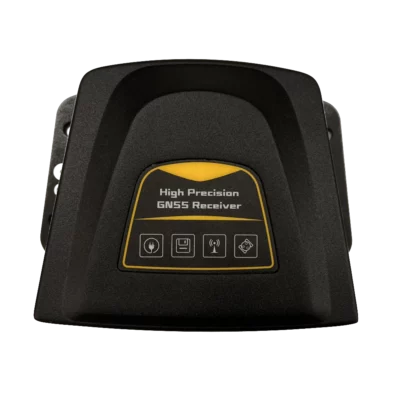
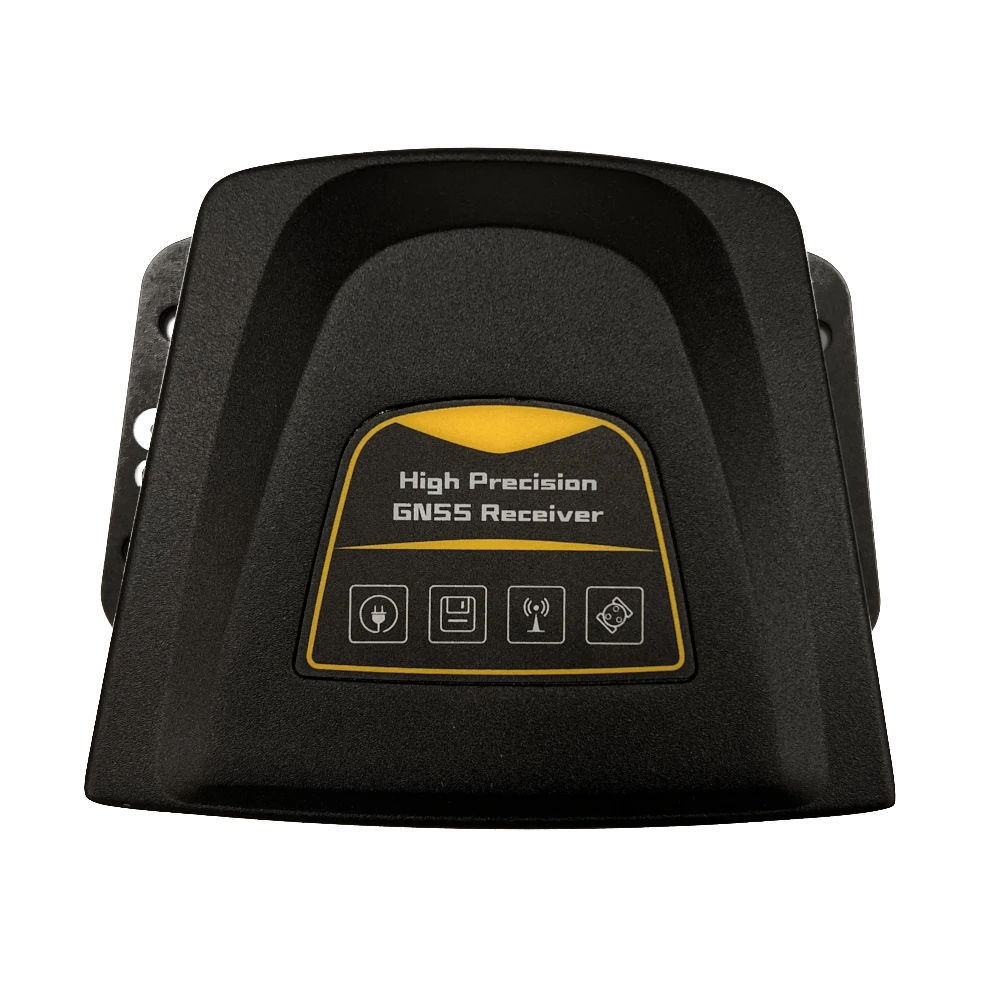
The Harxon M66 is developed as a cost-effective, compact and split GNSS receiver designed to meet the demands of the Beidou Ground-based Augmentation System and other professional positioning environments. Built with a full-system, multi-frequency positioning module and powered by 1408 channels, it ensures broad compatibility with major GNSS constellations and reliable signal acquisition even in challenging environments. Running on a Linux operating system supported by a Qualcomm Cortex-A7 processor, the M66 provides stable performance, consistent processing power and seamless integration into modern GNSS-based infrastructures. With flexible communication options and generous internal storage, the Harxon M66 serves as a high-performance foundation for surveying, monitoring and long-term GNSS deployments.
Comprehensive GNSS Support and RTK Performance
The Harxon M66 supports a wide range of satellite systems, including BDS, GPS, GLONASS, Galileo, QZSS, SBAS and IRNSS. Such extensive multi-constellation coverage enhances redundancy and ensures reliable signal quality in diverse applications. For workflows that depend on centimeter-level accuracy, its advanced multi-mode and multi-frequency RTK technology plays a critical role. Front-end computing contributes to faster results, increased stability and improved positioning precision. The 1408 superchannels enable rapid signal acquisition and efficient processing, which is especially valuable for dynamic environments or complex engineering tasks. These combined capabilities make the M66 a strong contender for large-scale networks and real-time positioning projects that demand durability and accuracy.
Smart System Architecture and Data Management
At the core of the Harxon M66 lies the Qualcomm Cortex-A7 processor paired with a stable Linux smart system. This combination supports multiple communication protocols and ensures reliable operation for long-term field deployments. The receiver includes 32 GB of integrated storage, with 24 GB allocated for user data, enabling extended logging sessions, GNSS raw data collection and mission-critical operations without external storage devices. Cloud service compatibility simplifies data management, remote monitoring and distributed system control. For organizations operating extensive GNSS infrastructures—such as CORS networks, monitoring platforms or research environments—these capabilities add significant value. The M66 further supports secondary development, allowing integrators and solution providers to tailor the receiver to specific workflows or system architectures.

Industrial-Grade Construction for Harsh Environments
Engineered with a magnesium-aluminum alloy housing, the Harxon M66 offers robust structural durability and long-term resilience. Its IP68 certification ensures complete resistance to dust, water and prolonged exposure to harsh conditions. The receiver maintains reliable performance across a wide operating temperature range from −40°C to +85°C, and it withstands environments with high humidity or salt exposure. With an exceptionally low power consumption of only 1.5 W, the unit is suitable for installations with limited energy availability. Its compact size and weight of under 470 grams make integration simple across fixed, mobile or autonomous setups. This combination of ruggedness, efficiency and portability makes the M66 ideal for base stations, rover systems and continuous, unattended operations.
Applications in Surveying and Precision Monitoring
The versatility of the Harxon M66 allows it to support a broad range of professional GNSS applications. Surveyors benefit from its multi-GNSS accuracy and stable RTK performance, ensuring reliable results for cadastral surveys, engineering measurements and construction layout tasks. Its durability and data-handling capacity make it equally suitable for geodetic base stations, large-scale RTK networks and rover platforms. Infrastructure monitoring projects—including bridge deformation studies, dam and dike monitoring, and structural movement detection—can rely on the M66’s high stability and long-term operational resilience. Its compatibility with the Beidou Ground-based Augmentation System highlights its suitability for advanced positioning infrastructures requiring precision, scalability and system reliability.
Conclusion
The Harxon M66 delivers an efficient blend of multi-GNSS capability, advanced RTK performance, substantial data storage and a rugged industrial build designed for the most demanding field conditions. Its smart system architecture, flexible interface options and strong processing platform make it a dependable solution for professional surveying teams, infrastructure monitoring networks and GNSS-based positioning systems. Compact, durable and highly accurate, the Harxon M66 stands out as a future-ready choice for long-term, high-precision geospatial applications.

 GPS
GPS
 Total Station
 Nederland




































 GPS & GNSS
 Total Stations
 Data collectors
 Software
 Correction services
 Machine control
 External radio
 Lidar & 3D scanning
 Drones
 Lasers & levellers
 Marine
 Accessories
Reviews
There are no reviews yet.